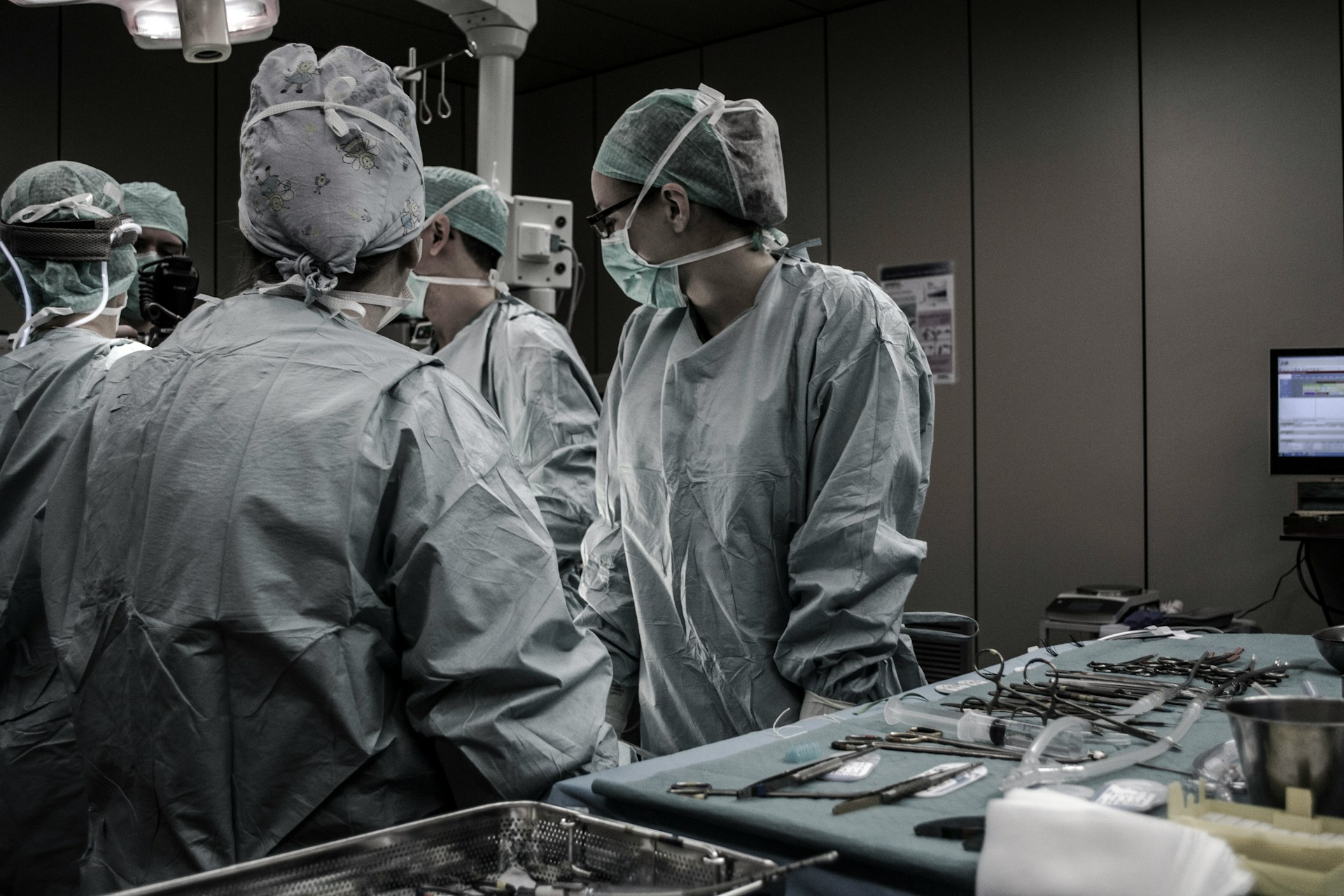
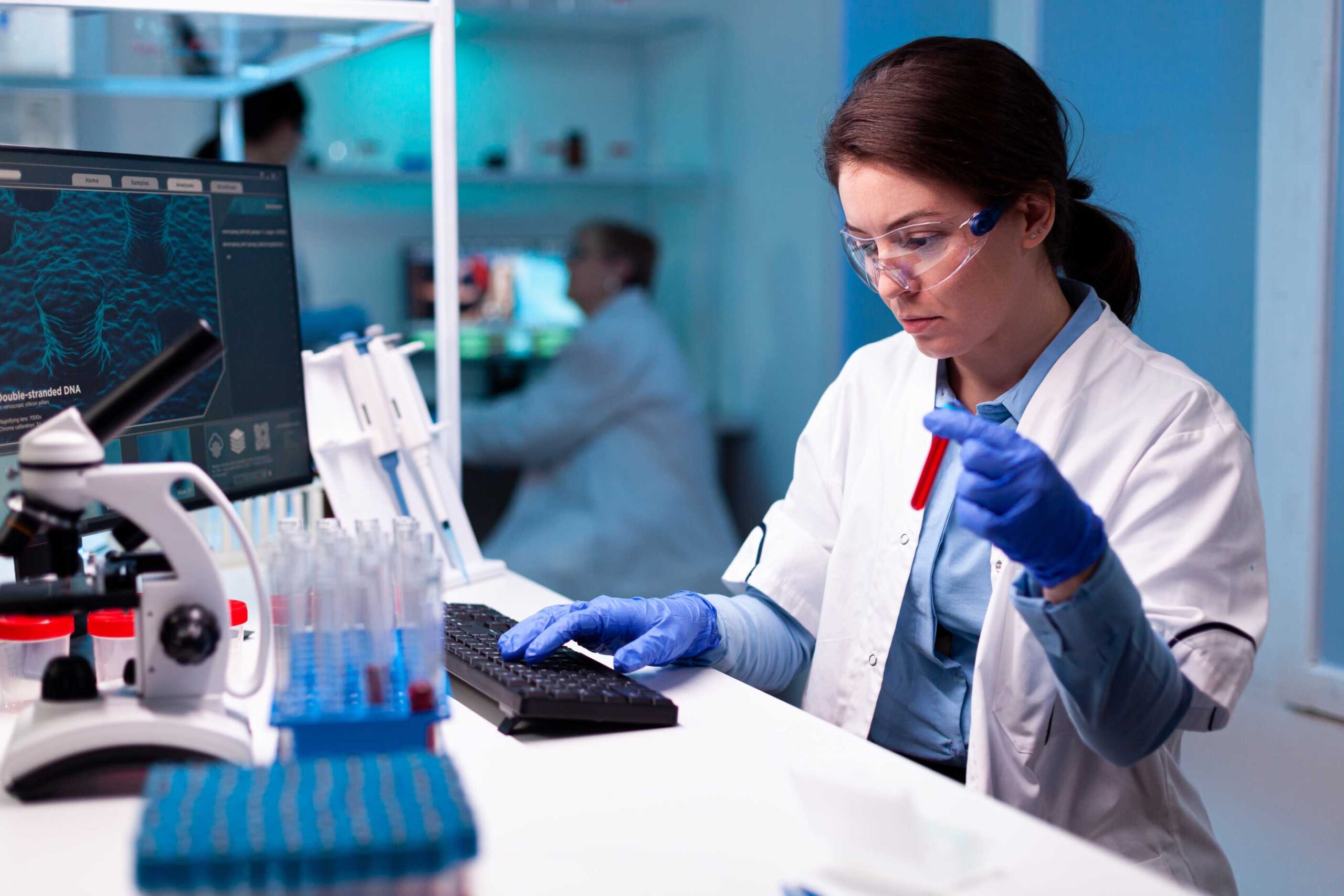
Recent advancements in medical technology have dramatically changed how doctors diagnose and treat various conditions. A notable development is the use of angio ffr, which has transformed cardiac care by offering detailed insights into coronary artery disease. This tool enables healthcare professionals to evaluate blood flow in the coronary arteries with remarkable accuracy, allowing for more precise diagnoses and tailored treatment plans. With these technological innovations, medical professionals are better prepared to manage complex procedures and significantly enhance patient outcomes.
Enhancements in cardiac technology for patient diagnosis
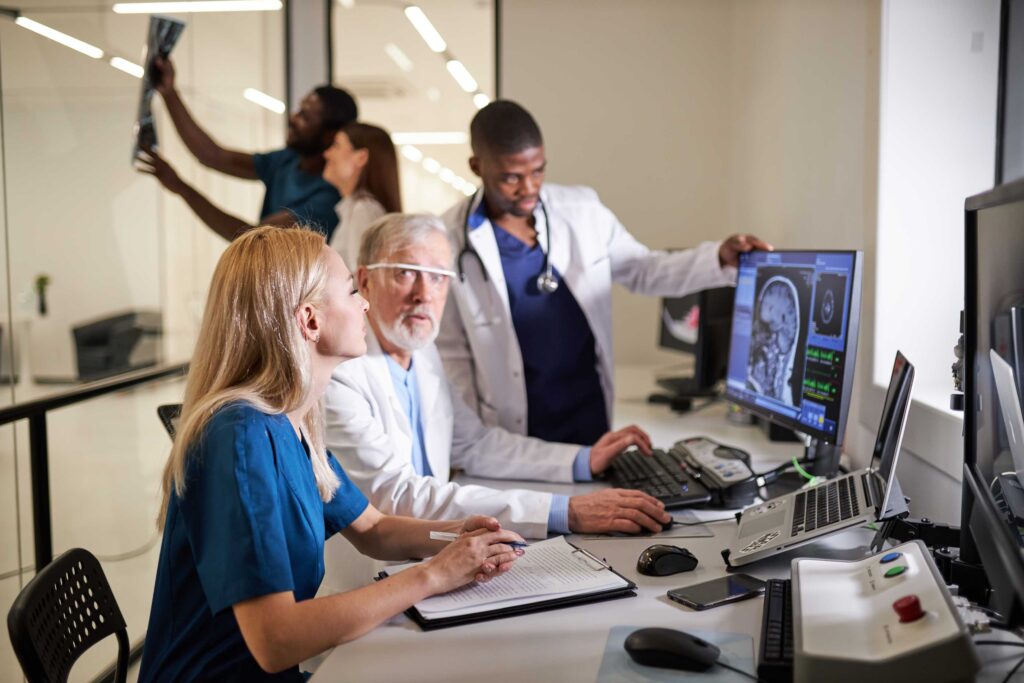
Innovations in cardiac technology have introduced a new level of precision in diagnosing coronary artery disease. Traditionally, evaluating blood flow in coronary arteries involved invasive techniques that carried certain risks for patients. However, newer non-invasive methods now allow for accurate measurements of blood flow with minimal discomfort. Modern tools provide comprehensive visualization of coronary arteries, offering physicians a clearer view of obstructions or issues. These advancements reduce the need for unnecessary procedures and enable a more focused approach to treatment, which improves recovery times and overall patient satisfaction.
How non-invasive solutions are changing treatment strategies
The move towards non-invasive solutions has significantly impacted treatment strategies in modern healthcare. By employing advanced technologies, healthcare providers can adopt a minimally invasive approach, focusing on patient well-being without sacrificing diagnostic accuracy. The incorporation of such platforms ensures that healthcare providers can deliver necessary care effectively and efficiently. This shift in medical procedures not only prioritizes the patient’s experience but also supports a faster, less stressful recovery. As technology continues to advance, the reliance on these sophisticated solutions will further improve the quality of care patients receive, paving the way for a future where precise and compassionate care is the norm.